
From Sketch to Screen
Back in 2018, our founder Ingrid Vos was freelancing from her living room, piecing together motion work between client calls. She'd learned the hard way that great animation isn't about flashy effects — it's about understanding what a brand needs to say and finding the cleanest way to say it.
The turning point came with a local e-commerce startup that needed explainer videos. They had no budget for fancy production but desperately needed something that worked. We stripped everything down to essentials: clear messaging, smooth transitions, and visuals that actually helped people understand the product.
The Approach That Stuck
That project taught us to prioritize clarity over complexity. We realized motion graphics work best when they feel invisible — when viewers remember the message, not the animation. It's become our default setting: figure out what needs communicating, then build the simplest path to get there.
Now we're a small team working with clients across Singapore and the region. We've traded the apartment for an actual studio, but we still approach every project the same way: listen first, design second, and never add movement just because we can.
What Guides Our Work
These aren't corporate values we printed on a poster. They're the practical standards we fall back on when a project gets complicated or a deadline gets tight.
Clarity First
Every animation should make something easier to understand. If we're adding motion that doesn't serve the message, we cut it. This means saying no to client requests sometimes, but it also means delivering work that actually performs.
Iteration Matters
First drafts are rarely right. We build in revision cycles because motion work needs testing — what looks smooth at 25% speed might feel jerky at full playback. Good animation comes from refining until it feels natural, not from nailing it on the first pass.
Real-World Focus
We design for how people actually watch content — distracted, on mobile, with sound off. That means bold shapes, readable text, and visuals that work even if someone's only half-paying attention. Portfolio pieces are fun, but we care more about work that gets results.
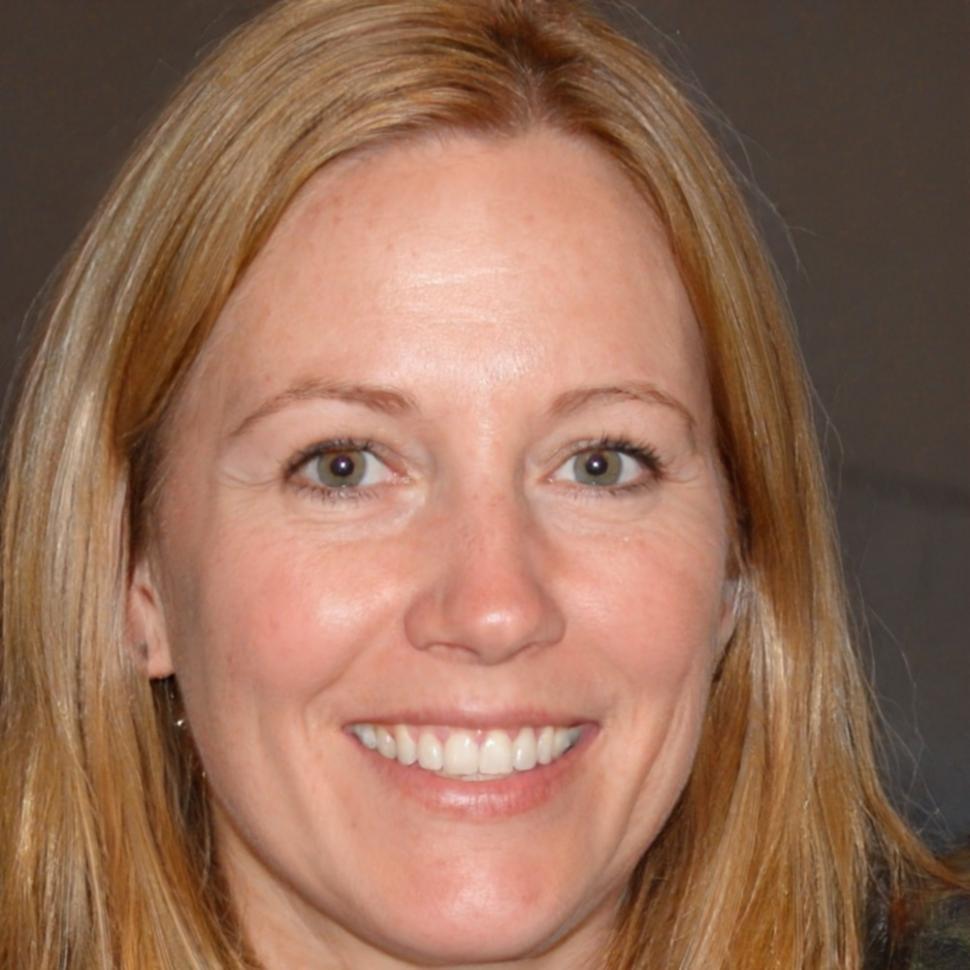
Ingrid Vos
Creative Director
Who's Behind the Work
Ingrid started in traditional graphic design before motion caught her attention around 2014. She'd been doing print layouts for years when a client asked if she could "make the logo move." That first attempt was rough — too many keyframes, way too much bounce — but it opened a door she hasn't closed since.
The rest of the team came together gradually. We've got two animators who handle most of the production work, a project coordinator who keeps timelines realistic, and a handful of freelancers we bring in for specialized needs like 3D or sound design. Everyone here came up through client work rather than art school, which means we're practical about what's possible within actual budgets and deadlines.
We work with brands in fintech, education, and e-commerce mostly — sectors where explaining complex ideas clearly matters more than pure aesthetics. That said, we're always up for something different if the brief is solid.
The Process We Actually Use
Most projects start with a conversation about goals rather than visuals. We ask what the animation needs to accomplish, who's watching it, and where it'll be used. A LinkedIn ad needs different treatment than an internal training video, and we've learned not to assume we know the context until we've asked.
From there we sketch — literally, with pencil on paper — to work out rough ideas before touching software. This keeps early stages fast and flexible. Once direction is clear, we move into styleframes and animatics to nail down timing and transitions.
The Revision Reality
Clients usually need to see motion before they know what they want. We build two revision rounds into every quote, which is usually enough to get from "close" to "right." Rush jobs skip this stage and you can tell — the work feels stiff because there wasn't time to refine.
Final delivery includes multiple formats because we've been burned by aspect ratio issues too many times. Square for Instagram, vertical for Stories, 16:9 for everything else. Better to export it all upfront than have a client scrambling to crop later.